VLX-VR: A Full Upgrade for Complex Video Reasoning
VLX-VR reaches 78.8 accuracy on MINERVA, stays stable across short, medium, and long videos, and adds checkable reasoning-process evaluation for complex video reasoning.
Read more →
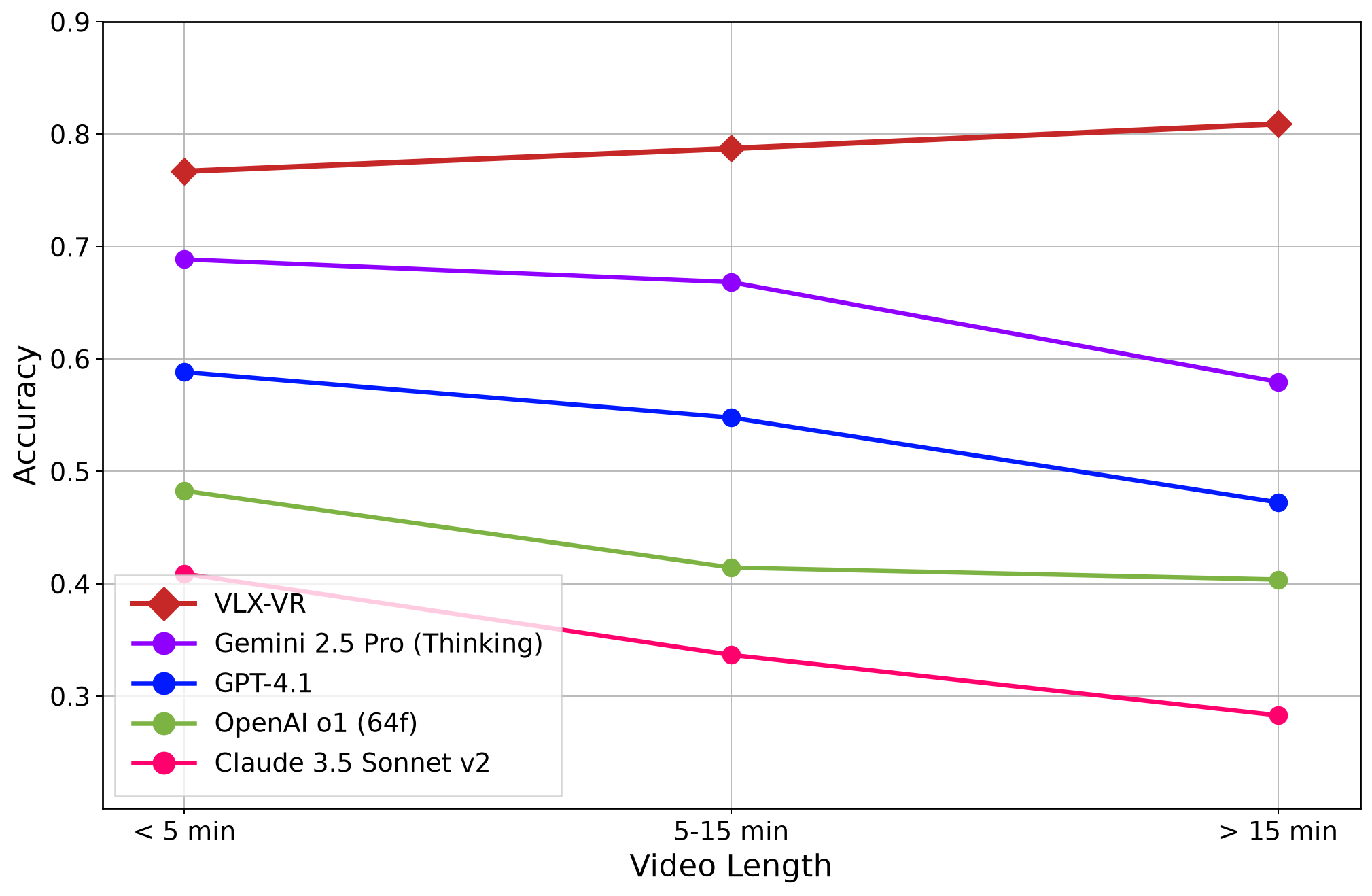
VLX-VR reaches 78.8 accuracy on MINERVA, stays stable across short, medium, and long videos, and adds checkable reasoning-process evaluation for complex video reasoning.
Read more →
VLX-VR 在 MINERVA 上达到 78.8 准确率,在短、中、长视频上保持稳定,并通过可核验的 reasoning 过程评测展示复杂视频推理能力。
阅读全文 →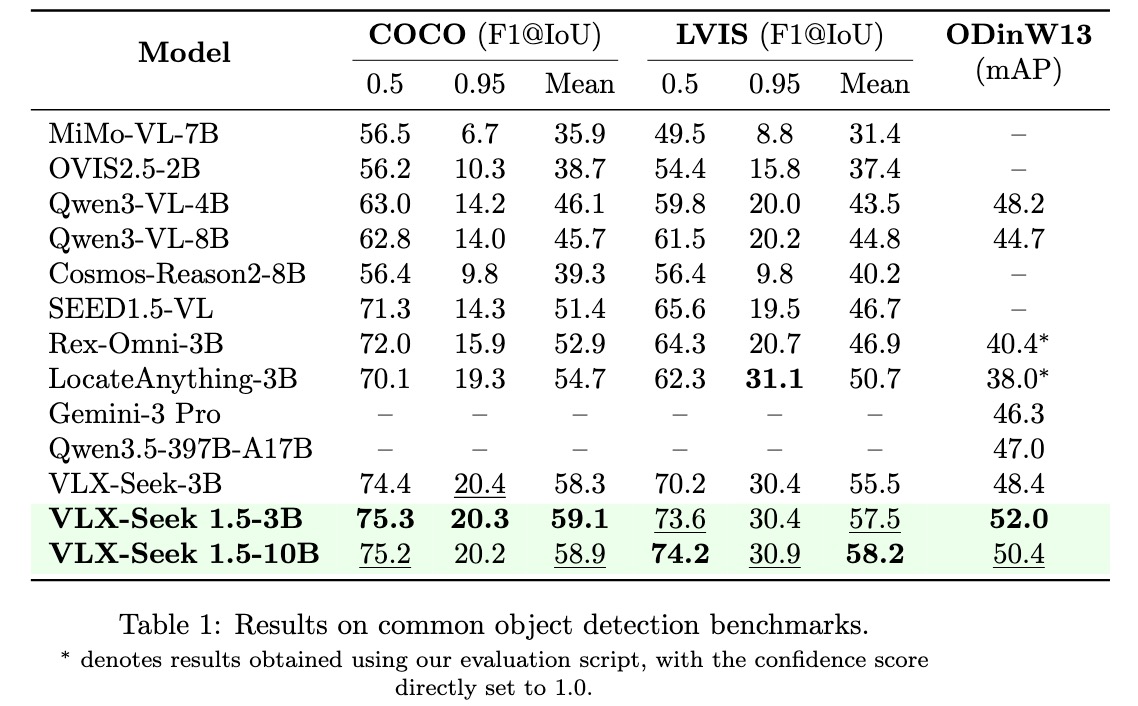
VLX-Seek 1.5 strengthens fine-grained visual grounding for embodied scenarios with a multi-scale model family, faster region-reference inference, stronger detection, and more reliable absent-target rejection.
Read more →
VLX-Seek 1.5 面向端侧具身场景,进一步增强细粒度视觉定位能力,并通过多尺度模型系列、更快的区域指代推理、更强检测和更可靠的缺失目标拒识,提升真实部署表现。
阅读全文 →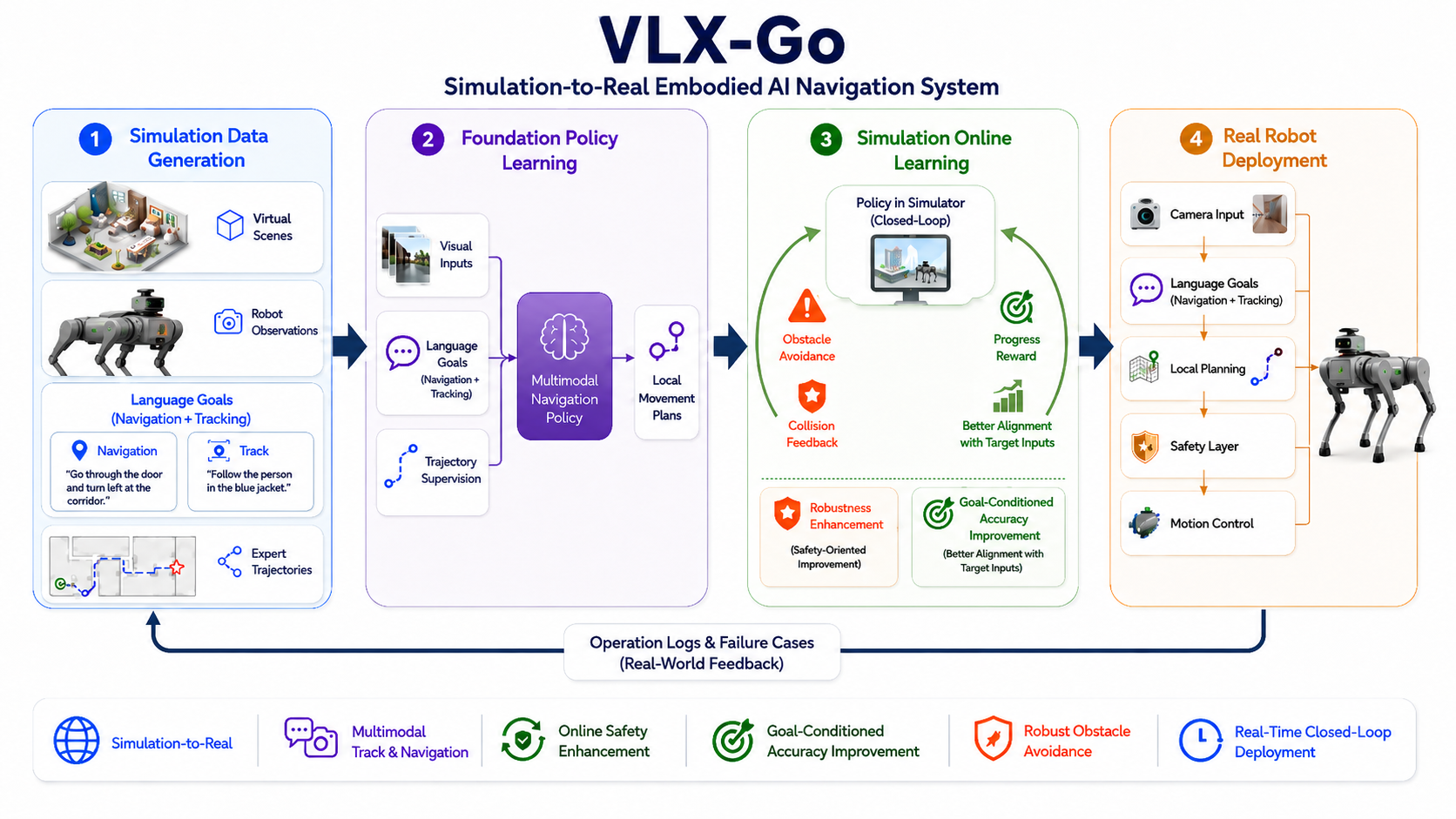
VLX-Go is a lightweight 0.6B vision-language waypoint planner for embodied navigation. It maps recent monocular frames, the current observation, and natural-language instructions into short-horizon local waypoints for closed-loop navigation.
Read more →
VLX-Go 面向具身导航中的闭环规划问题,将近期视觉历史、当前观测和自然语言指令直接映射为短时间窗内的局部航点,用于目标跟随、局部导航、动态避障和真实机器人部署。
阅读全文 →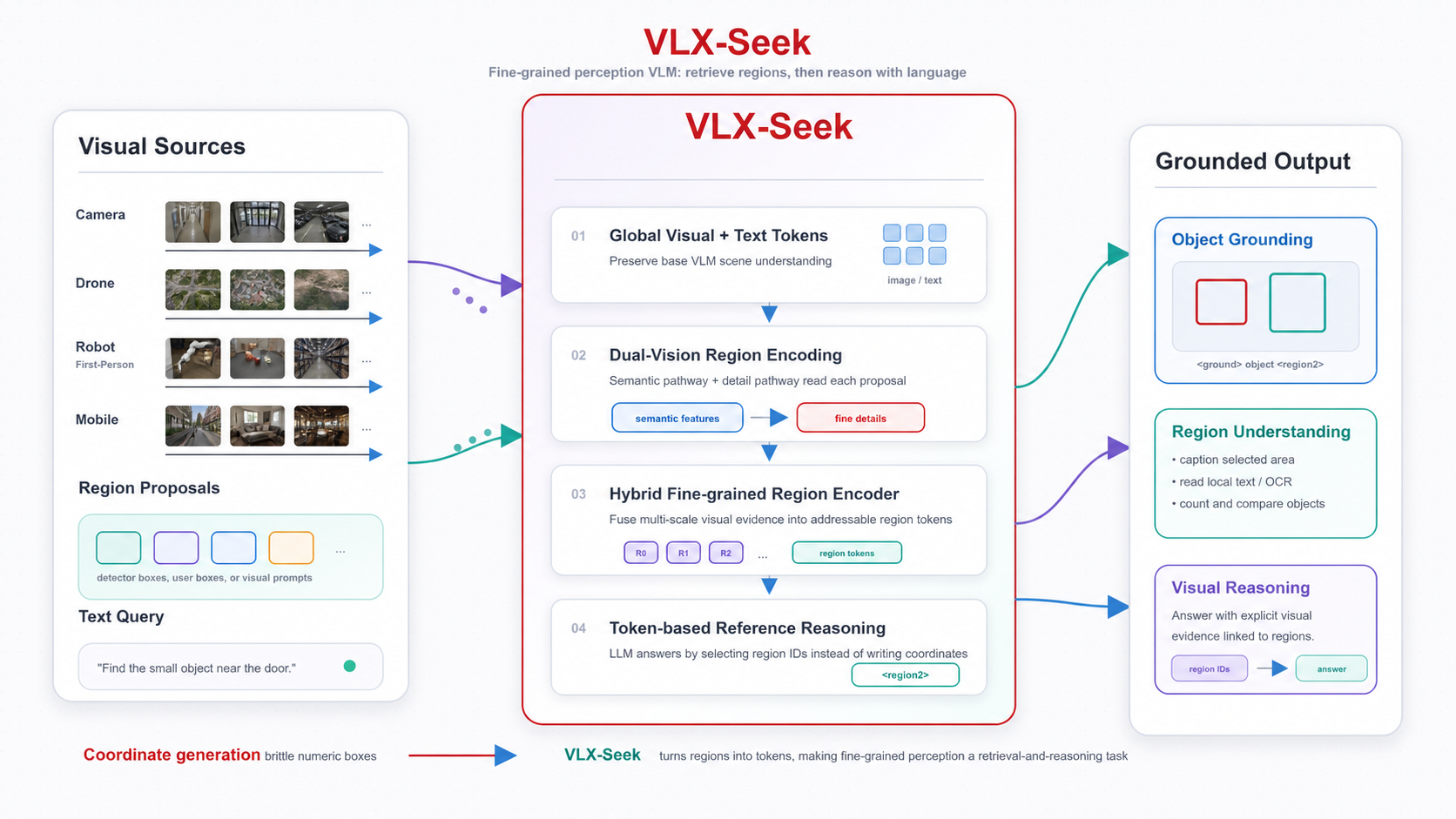
VLX-Seek improves fine-grained VLM perception by turning fragile coordinate generation into region reference. It introduces addressable region tokens, a hybrid fine-grained region encoder, and compact object-centric reasoning for detection, counting, and open-vocabulary localization.
Read more →
VLX-Seek 面向端侧具身视觉,将细粒度感知任务从坐标生成改写为区域指代。通过区域 token、混合细粒度区域编码器和更紧凑的对象级推理,它让 VLM 在检测、计数和开放词汇定位中看得更准。
阅读全文 →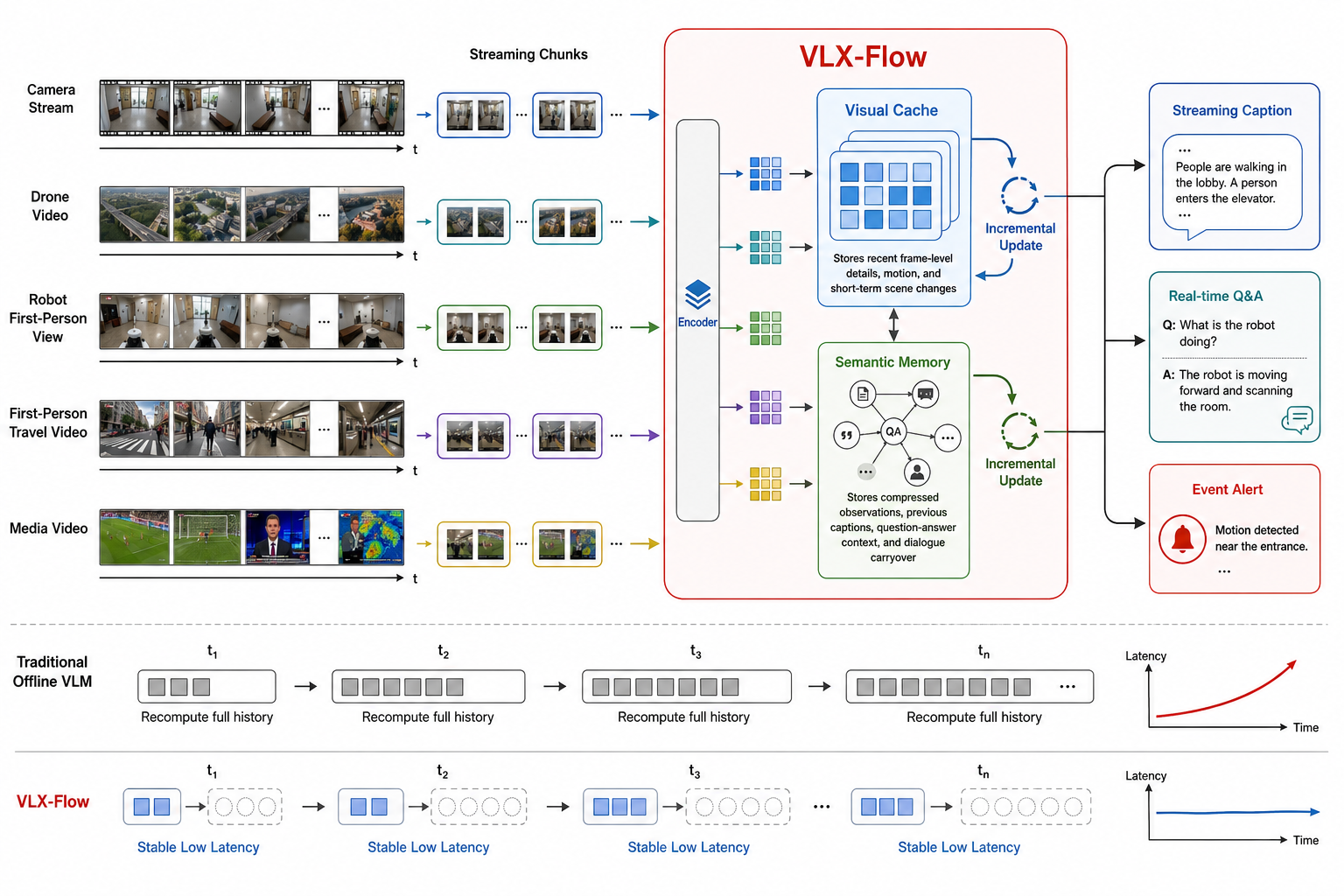
VLX-Flow turns live video streams into reusable model memory. It processes continuous chunks, maintains visual cache and semantic memory, and supports low-latency interaction without reprocessing the full video history for every query.
Read more →
VLX-Flow 面向一个越来越关键的问题:当视频从离线文件变成实时输入,多模态模型应该如何持续观察、持续记忆,并在任意时刻完成交互?VLX-Flow 将视频拆成连续片段,以增量方式更新视觉上下文和语义记忆,让模型不必在每次提问时重新处理完整历史。
阅读全文 →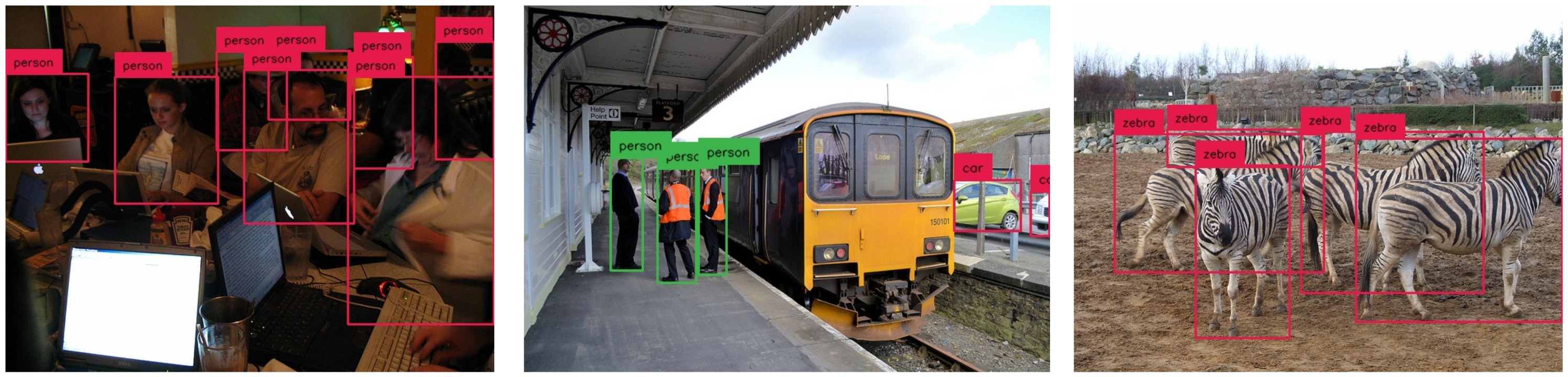
Existing Vision-Language Models (VLMs) excel at holistic scene understanding but fail at precise, object-centric tasks like detection, primarily due to their inability to generate accurate coordinates. We propose VLM-FO1, an approach that solves this by transforming object detection from a generation to a retrieval problem. We treat bounding boxes as visual prompts, extract their features into unique "object tokens", and feed them directly to the model. This method dramatically improves performance, with VLM-FO1-3B reaching 44.4 mAP on COCO, rivaling specialized detectors and demonstrating strong capabilities on other region-based perception tasks.
Read more →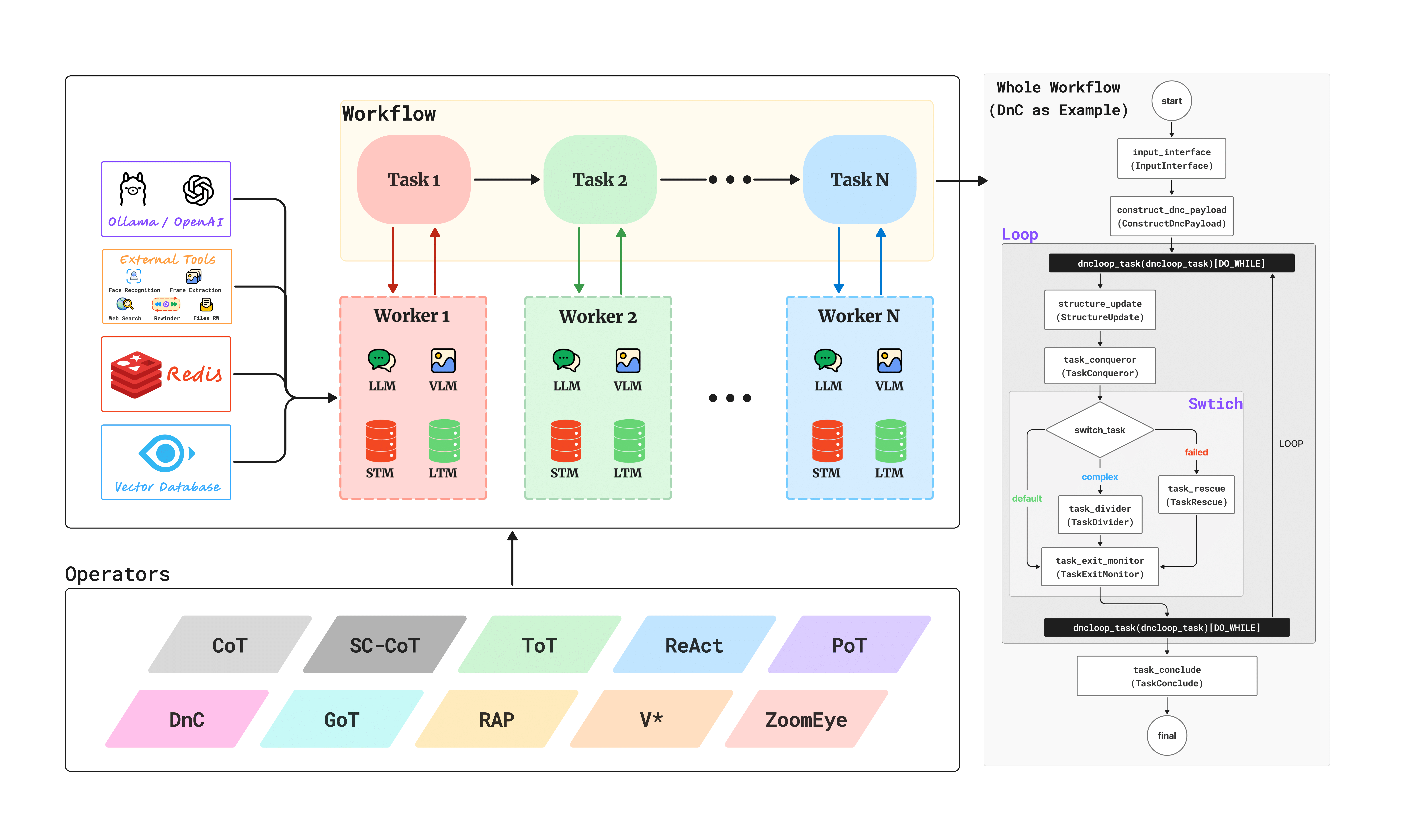
With the rapid advancement of Large Language Models (LLMs) and Vision Language Models (VLMs), AI technology is shifting from exam-oriented task completion to practical scenario-based complex problem-solving. Using LLMs and VLMs to tackle more realistic and intricate problems—rather than simply passing exams—is not only an inevitable direction of technological evolution but also a key requirement for industrial applications. We launched the first embodied AI agent—OmAgent, a reinforcement learning-based multimodal agent framework. Its feasibility has been verified in practical applications.
Read more →
随着大型语言模型(LLMs)与视觉语言模型(VLMs)的能力飞速发展,AI 技术正从「应试式」的任务达标转向「实战化」的复杂问题解决。用LLMs和VLMs去解决更实际更复杂的问题,而不是简单地通过“考试”, 这既是技术演进的必然方向,也是产业落地的核心诉求。我们推出全球首个具身智能 AI Agent——OmAgent,一个基于强化学习的多模态智能体框架,并在实际应用中验证了该路径的可行性。
Read more →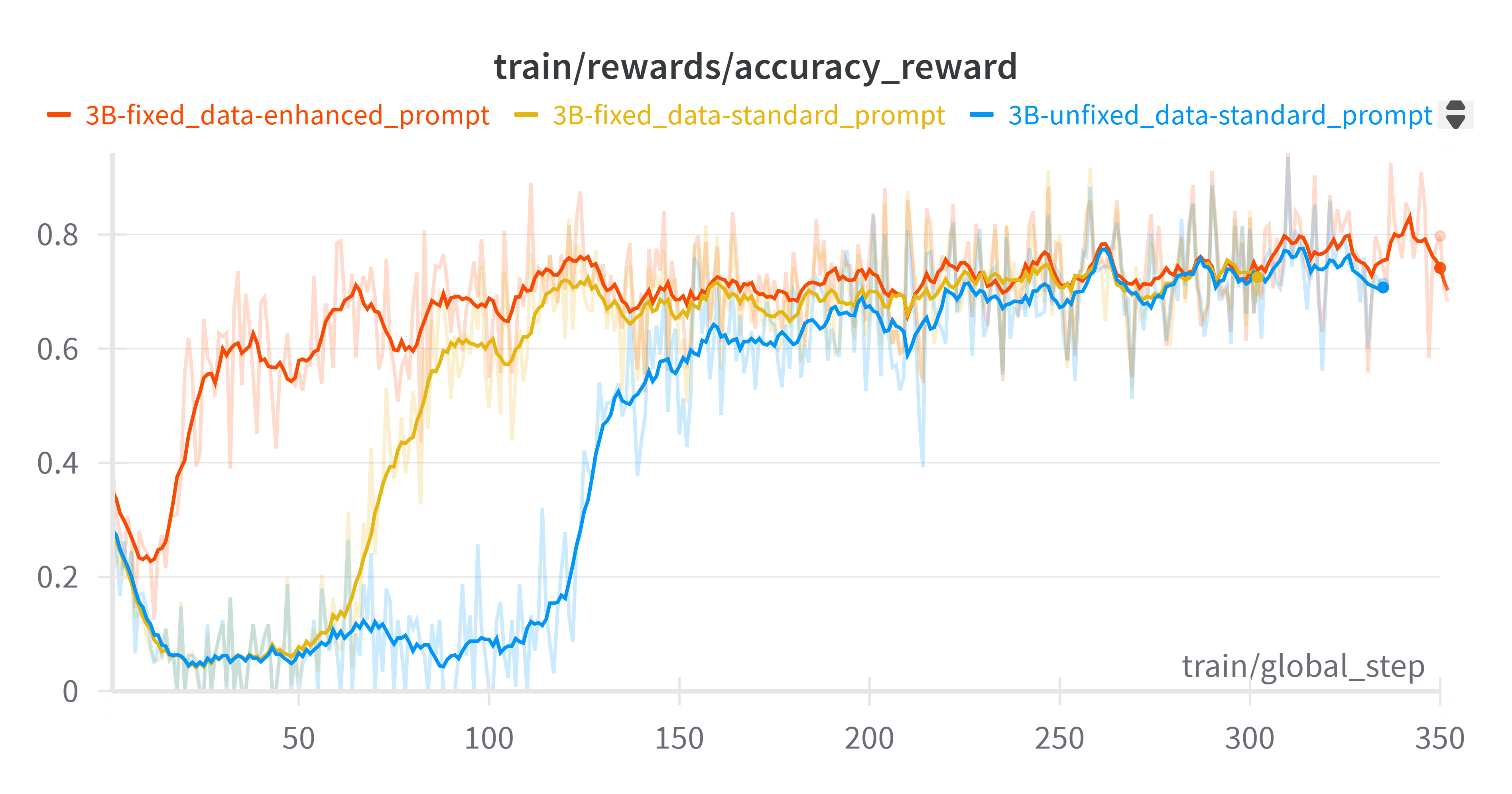
Key insights from our extensive experimentation with Reinforcement Learning for object detection in Vision Language Models, focusing on training methodologies, reward functions, and prompt engineering.
Read more →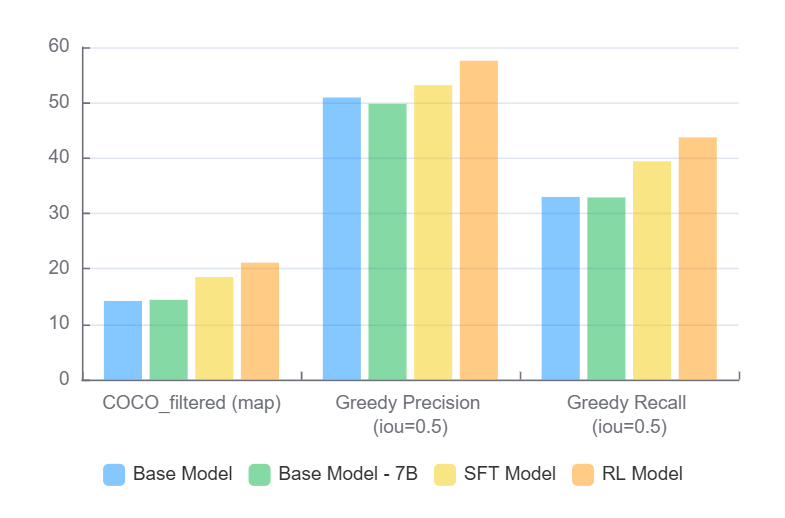
A detailed exploration of how reinforcement learning enhances object detection performance compared to supervised fine-tuning in vision-language models.
Read more →